Read Our Blogs
The Cactus Sermon: What a Wounded Plant Taught Me About Resilience
Emmanuel Mallo abcd 0 comments
There is a reason the Bible sends human beings to nature.
It says, “Go to the ant.” It says, “Look at the birds.” It says, “Consider the lilies.” These are not empty poetic statements. They are invitations to humility. They remind us that wisdom is not only found in human institutions. Wisdom is also written into creation.
Recently, I found myself learning from a cactus.
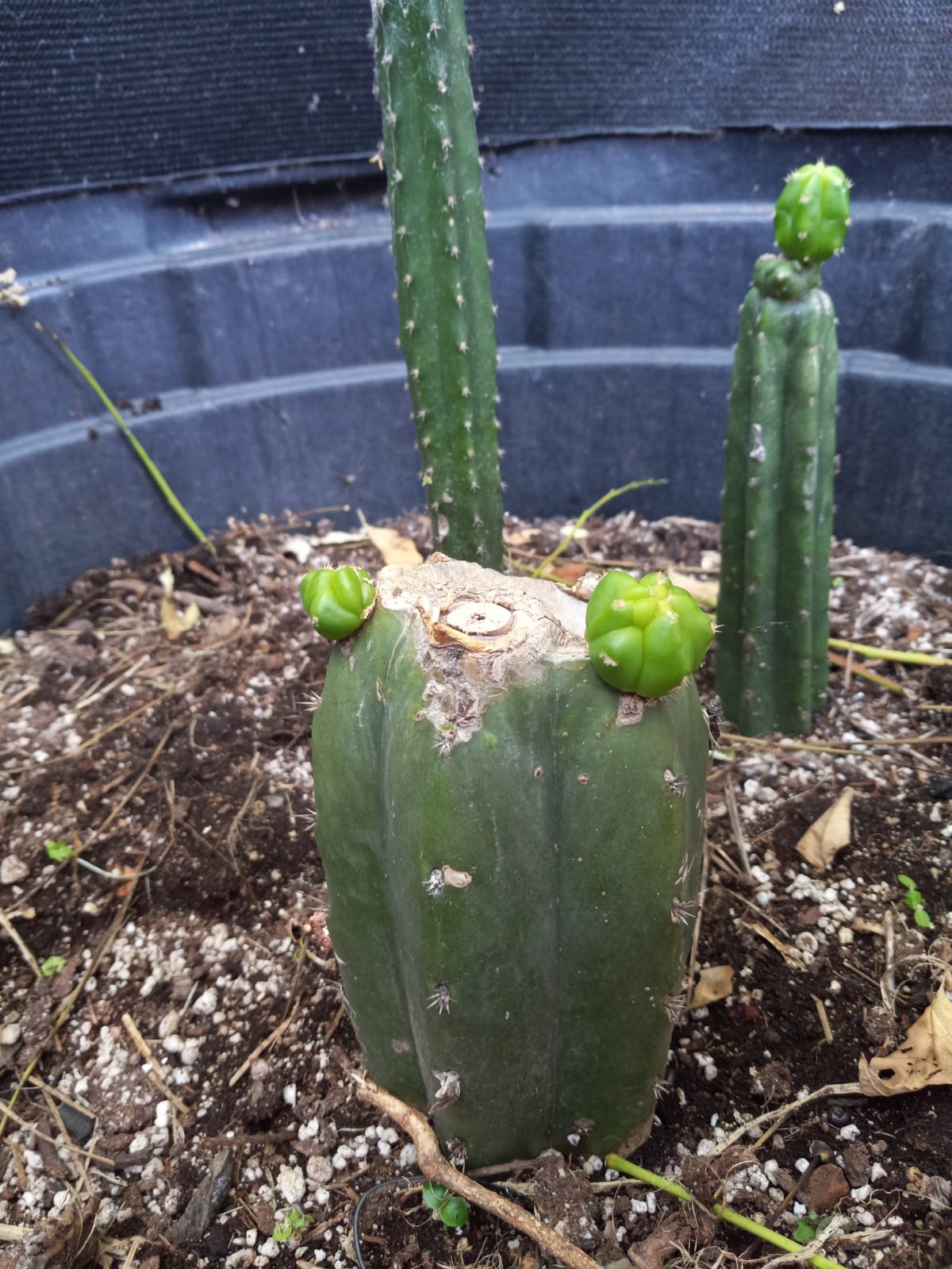
This cactus had been planted many years ago. The person who planted it was gone, and the plant had begun to rot. It looked abandoned. It looked as though it was dying. But I did not want to give up on it.
I cut away the rotten part. I cleaned what remained. I planted it again. I watered it. I watched it.
For a while, nothing dramatic happened.
Then, after some time, new cactus plants began to emerge.
That shocked me.
The same plant that had looked like it was dying was now producing new life.
Later, one of the cactus branches became too tall and unstable. While trying to support it better, it fell and broke into pieces. I was devastated. But something inside me said, “Clean the broken pieces and place them back in the soil.”
I did.
To my surprise, the broken pieces survived. Not only did they survive, they began to produce new cactus growth around the wounded areas.
That is when I saw the lesson.
The cactus was wounded, but the wound did not end its story. The wound became part of its multiplication.
This is not to say pain is good. Pain is painful. Trauma is real. Loss is real. Injury is real. But the cactus teaches us that damage does not have to be final.
A cactus survives because it is designed for difficult environments. It stores water. It protects itself. It can seal wounded areas. In many cases, broken pieces can root and grow again.
There is a spiritual lesson here.
Human beings also need inner storage. We need faith, wisdom, discipline, memory, community, and hope stored inside us before the desert season comes. When life becomes dry, we survive from what has been stored within.
The cactus also teaches boundaries. Its thorns are not decoration. They are protection. Some people want to be loving without boundaries, but even creation teaches us that life must be protected.
The cactus also teaches healing. When it is wounded, it does not keep the wound open forever. It dries, seals, and continues.
Many people keep bleeding emotionally because they have not learned how to seal the wound. Sealing does not mean forgetting. It means no longer allowing the injury to control every part of your future.
But the most powerful lesson is this: the cactus can produce new life near the place of injury.
That is the mystery.
Sometimes our greatest wisdom is born near our deepest wound. Sometimes our purpose grows from the place where we suffered. Sometimes the person who was rejected becomes a healer. Sometimes the person who was abandoned becomes a protector. Sometimes the person who was broken becomes a builder.
The wound is not always the grave.
Sometimes the wound becomes the womb.
So go to the cactus and learn.
Do not give up because you were wounded.
Do not throw yourself away because one part of you was damaged.
Do not confuse a broken season with a finished destiny.
Cut away what is rotten.
Plant what is still alive.
Protect your healing.
Store wisdom.
Grow again.
And when life asks what happened to you, let your fruit answer:
“I was wounded, but I survived.”
“I was broken, but I grew.”
“I was dying, but I gave birth to something new.”
RECENT POSTS

History and Future of Africa
Ngiafon / 44 comments April 8, 2022

Ashingne Practice
ngiafon / 44 comments November 23, 2022

Be Expansive and Discover Your Peculiarities
Ngiafon / 44 comments December 22, 2022

Collective Consciousness
Emmanuel / 44 comments April 20, 2023
Your Well-being: How Much do you Know?
Spiritor / 44 comments March 29, 2023
CATEGORY
TAGS
POPULAR CHANNELS